We wanted to test a simple idea: could a conversation with ChatGPT, combined with Scopture, help turn a rough construction idea into something we could actually build?
Rather than starting from a finished CAD model, we started with the materials already available.
1. Context: Starting with Materials
The project began with a fixed inventory of pine boards, each with defined dimensions, quantities and intended uses.
We provided that information to ChatGPT together with the basic requirements for the sauna. As shown in Figure 1, the starting point was not a detailed engineering model, but a natural-language description of the available material and what we wanted to achieve.
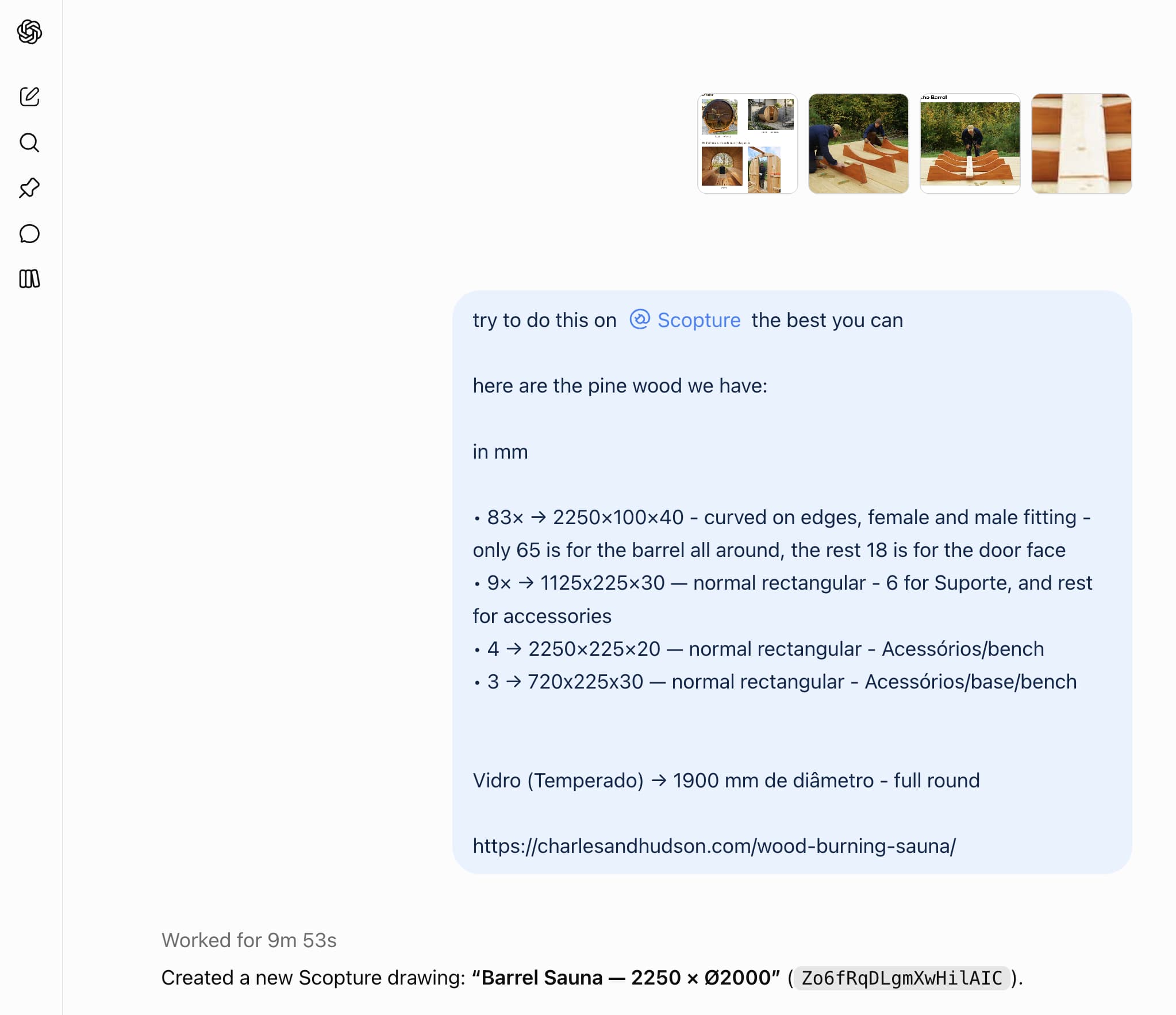
Figure 1 — Initial ChatGPT conversation defining the available timber stock, quantities and basic requirements for the barrel sauna.
From there, the question was:
Could that conversational starting point be translated into technical information useful enough to guide a real build?
2. From Conversation to Model and Construction Information
The next step was to move from requirements expressed in natural language to a geometric representation of the design.
Using Scopture, the available timber stock was translated into a parametric 3D model of the sauna. As shown in Figure 2, different material families were represented directly within the model, making it possible to inspect the overall geometry while keeping the proposed material allocation visible.
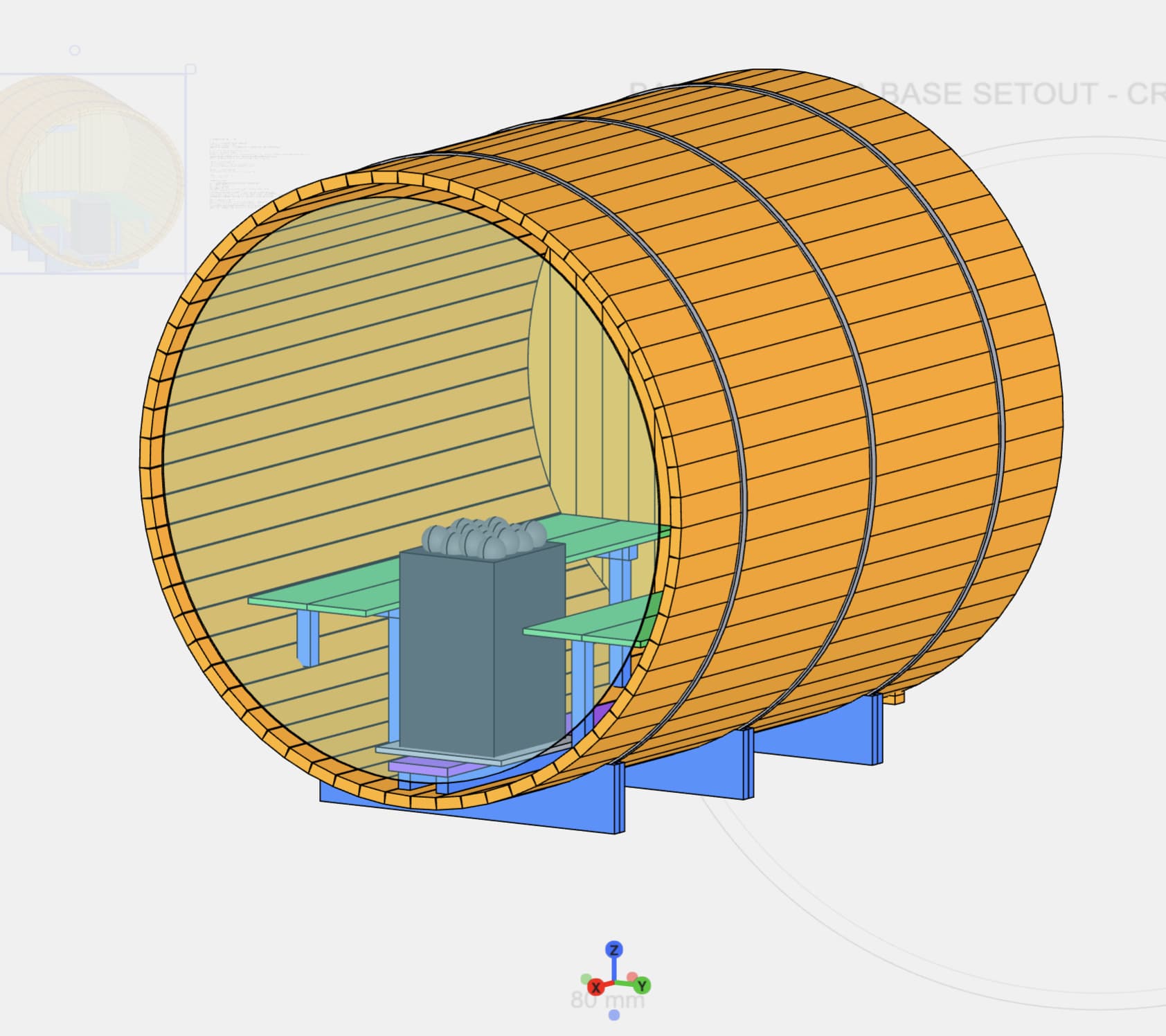
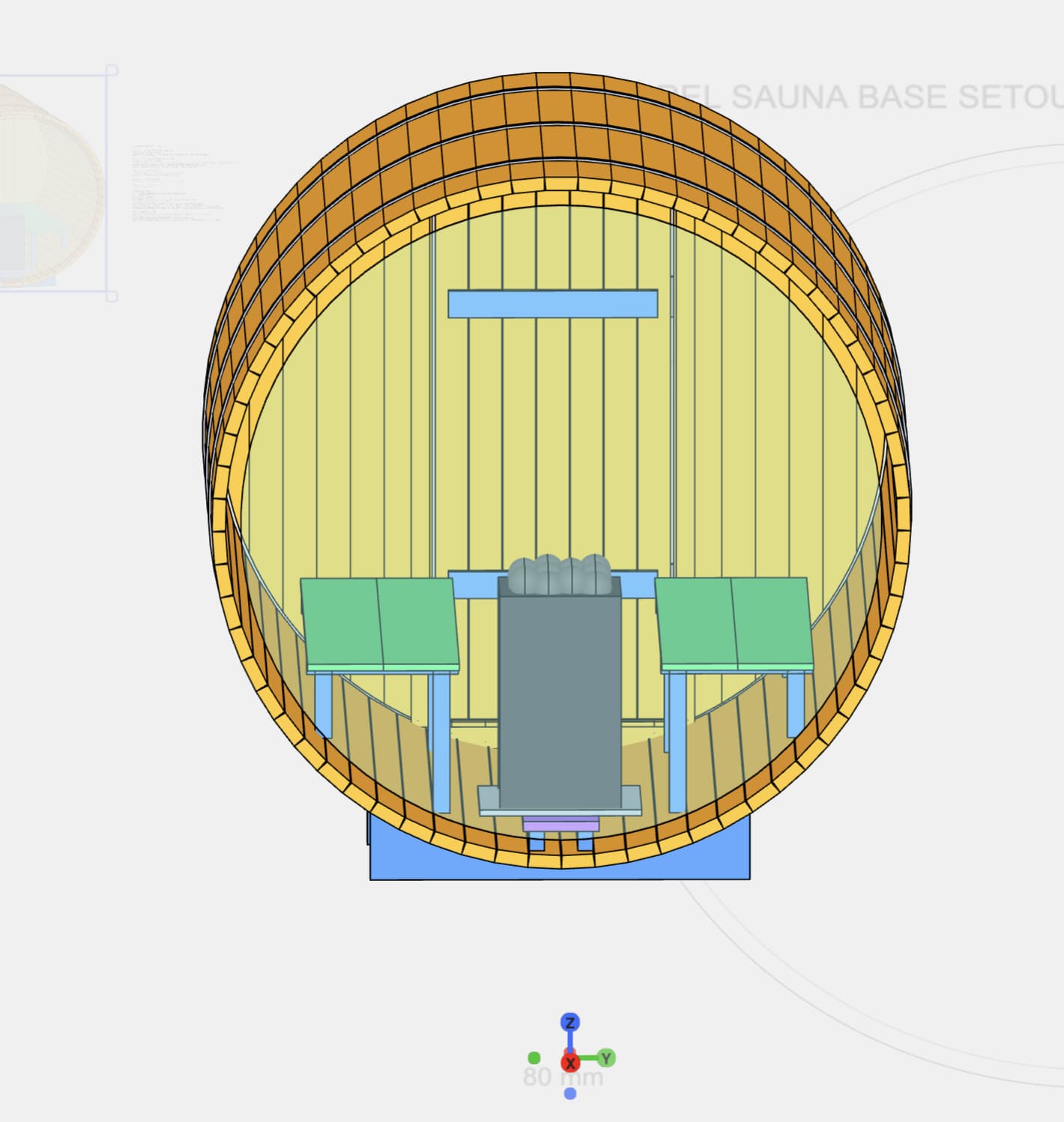
Figure 2 — Barrel-sauna 3D model developed in Scopture from the available material stock, with the principal timber families represented within the assembly.
The model accounted for the main construction elements, including the barrel shell, cradle supports, benches, front assembly and rear glass, however a model alone was not enough to build from.
Once the overall geometry had been established, we used the same project context to produce practical construction information. The base setout shown in Figure 3, for example, defined the support locations, spacing and clearance required to position the sauna correctly during assembly.
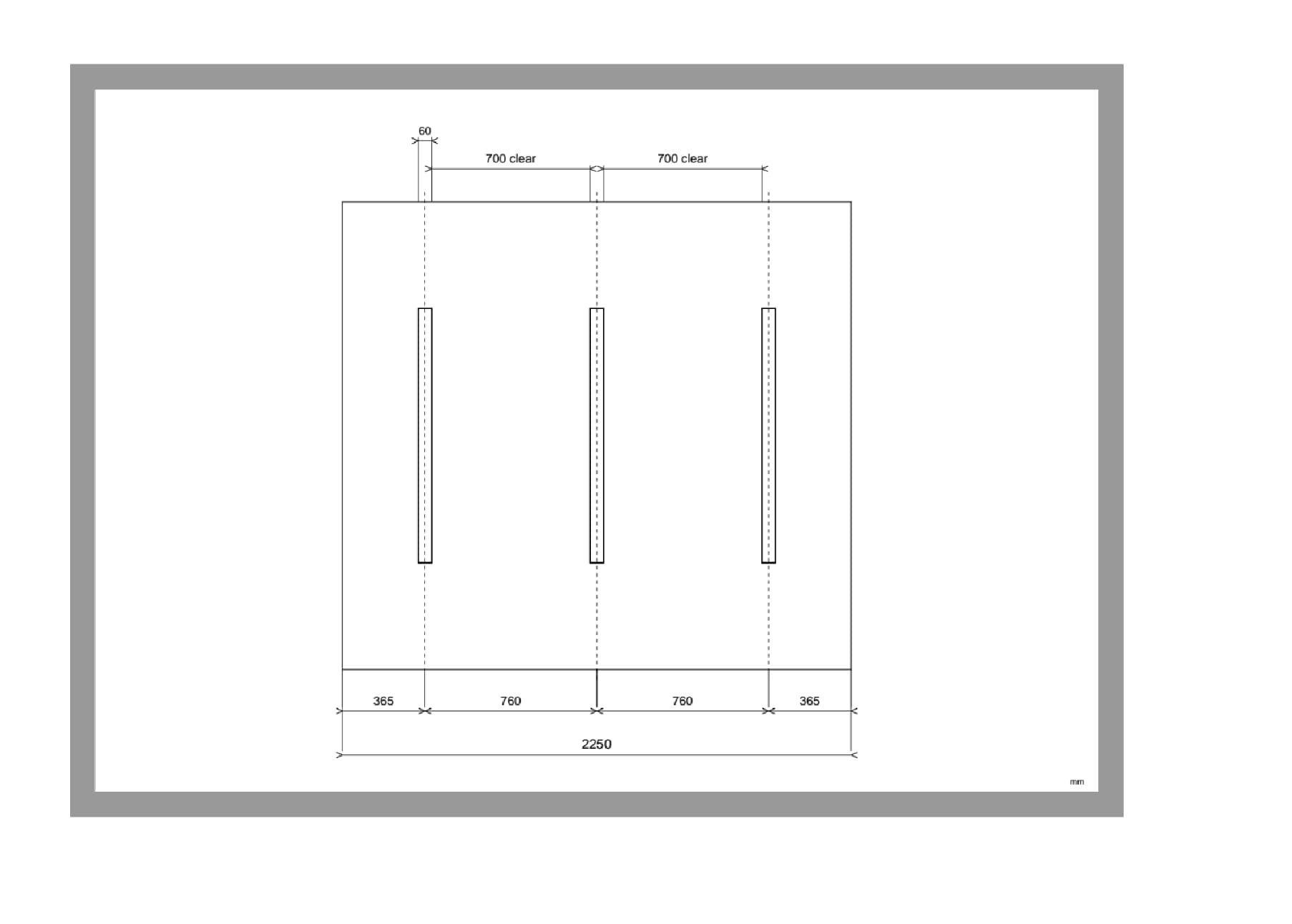
Figure 3 — Construction setout developed from the sauna model, defining the base geometry and support positions used during assembly.
As the project moved closer to construction, questions could also be raised directly against the relevant model or drawing. In Figure 4, the support setout is reviewed through an issue attached to the project, allowing the question, technical reference and final resolution to remain connected in the same workspace.
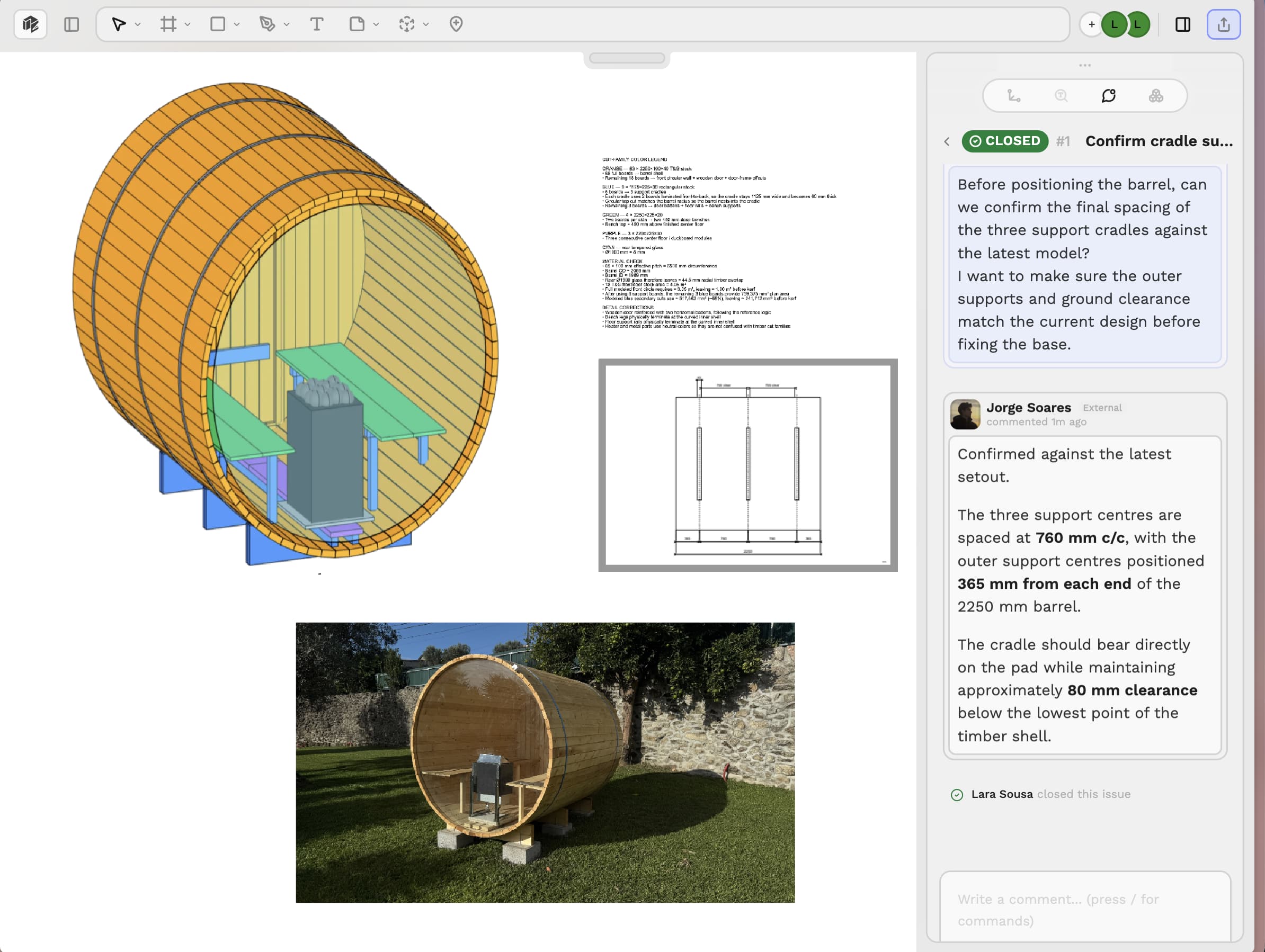
Figure 4 — Complete Scopture project combining the parametric model, construction information and a build-related issue reviewed directly against the relevant project artifact.
At this point, the process had moved from an informal description of the available material to information that could be referenced directly during construction:
Materials → Conversation → 3D model → Construction information → Coordination → Build
3. The Physical Result
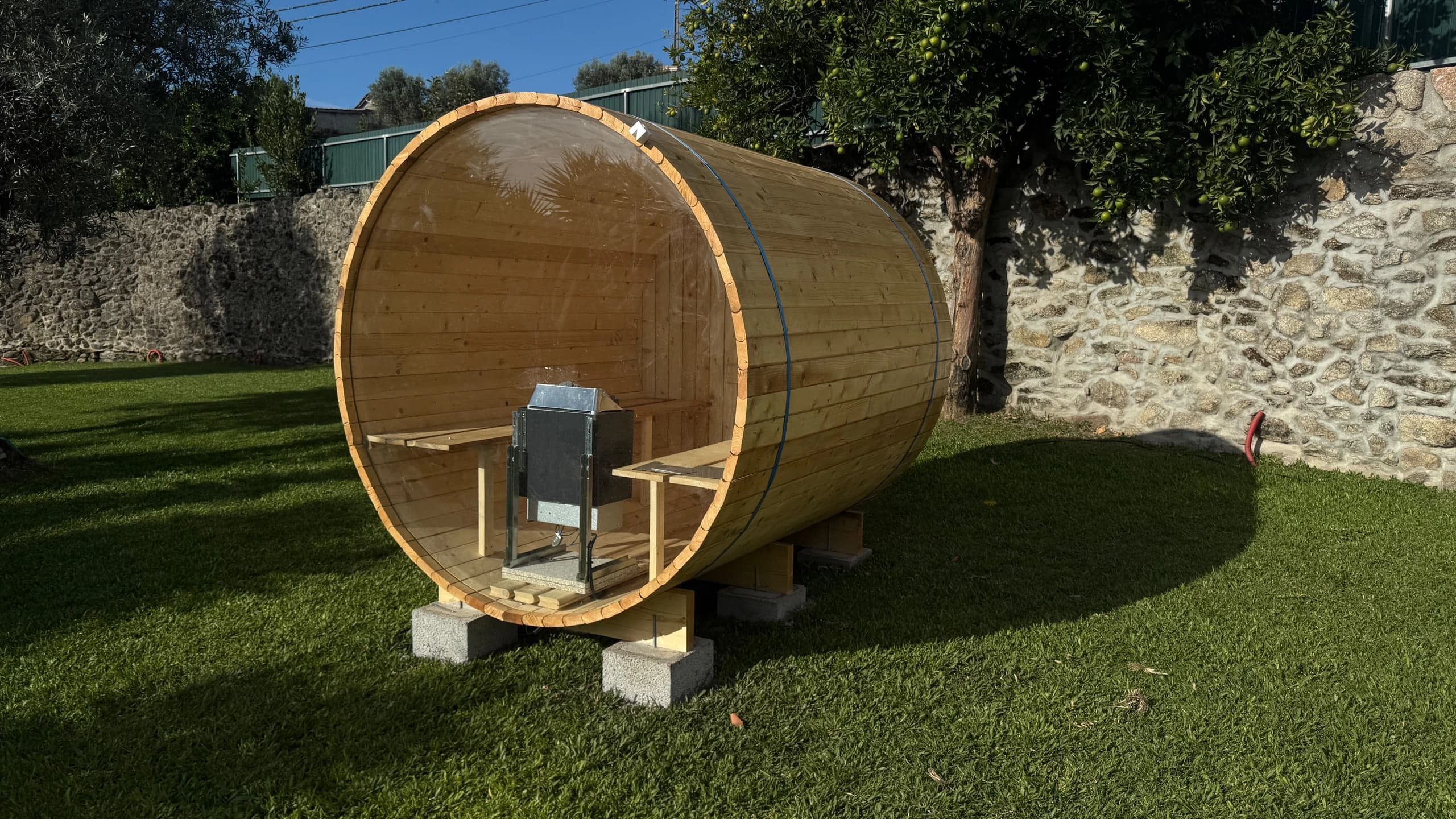
The sauna was constructed using the same material constraints that had informed the design, with the Scopture project available as a working reference for the geometry, component allocation and construction setout.
The completed result is shown in Figure 5.
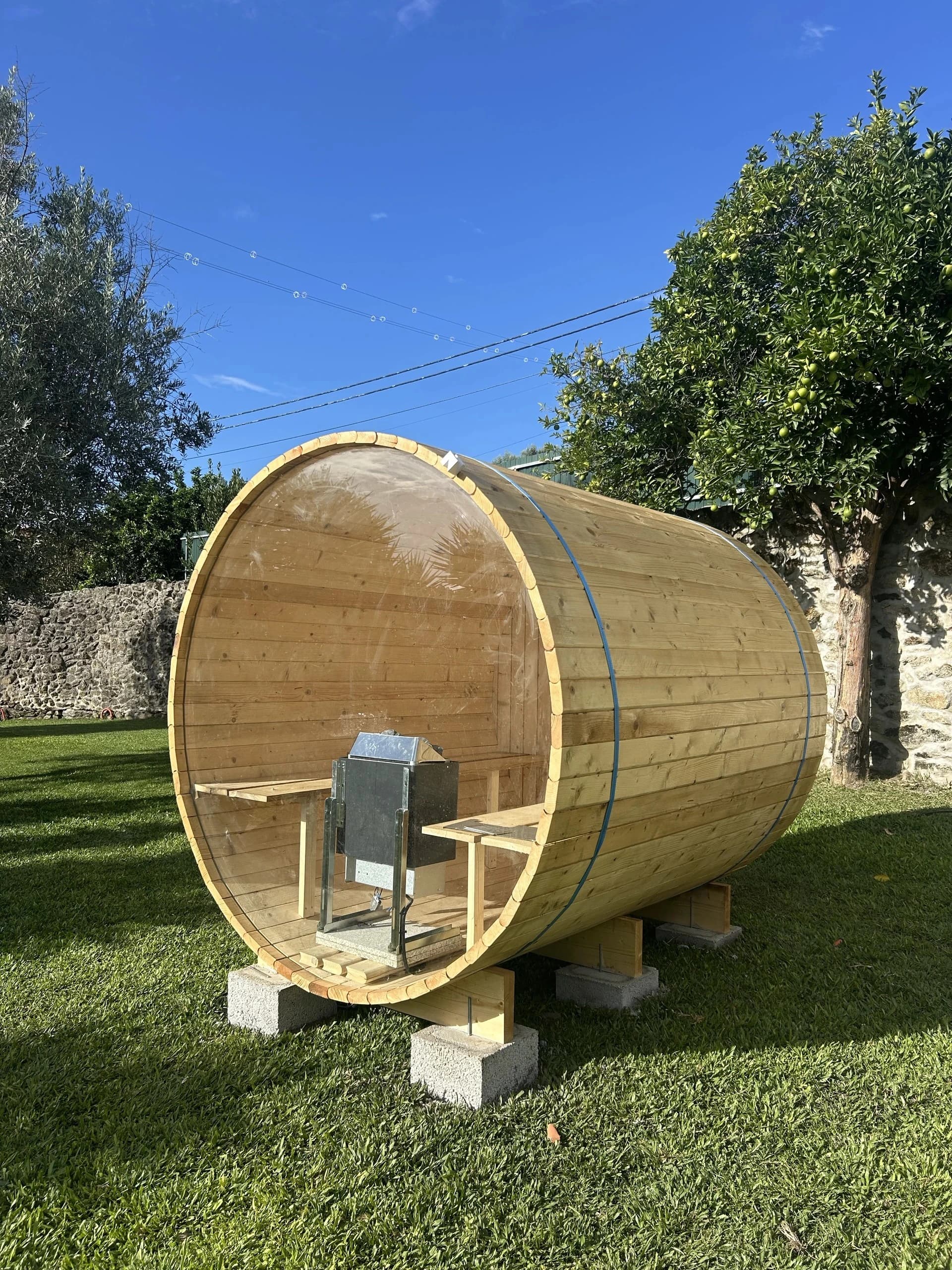
Figure 5 — The completed barrel sauna following the design and construction process developed through ChatGPT and Scopture.
Conclusion
This was a relatively small construction project, but it demonstrated something broader; the process did not begin with CAD, it began with context:
- What material was available?
- What we wanted to build?
- The constraints we had to work within.
That context could then be progressively transformed into geometry, drawings and information that supported the physical build.
What happens when conversational AI can move beyond explaining how something might be built and begin working alongside an engineering environment where those ideas become technical artifacts?
In this case, the process started with a list of timber and ended with a sauna standing in our garden.
If you have something you want to build, you can try the same workflow yourself. As shown in Figure 6, the Scopture plugin can be connected directly inside ChatGPT, allowing you to start from a conversation, work against the constraints of your project, and progressively develop the resulting work in Scopture.
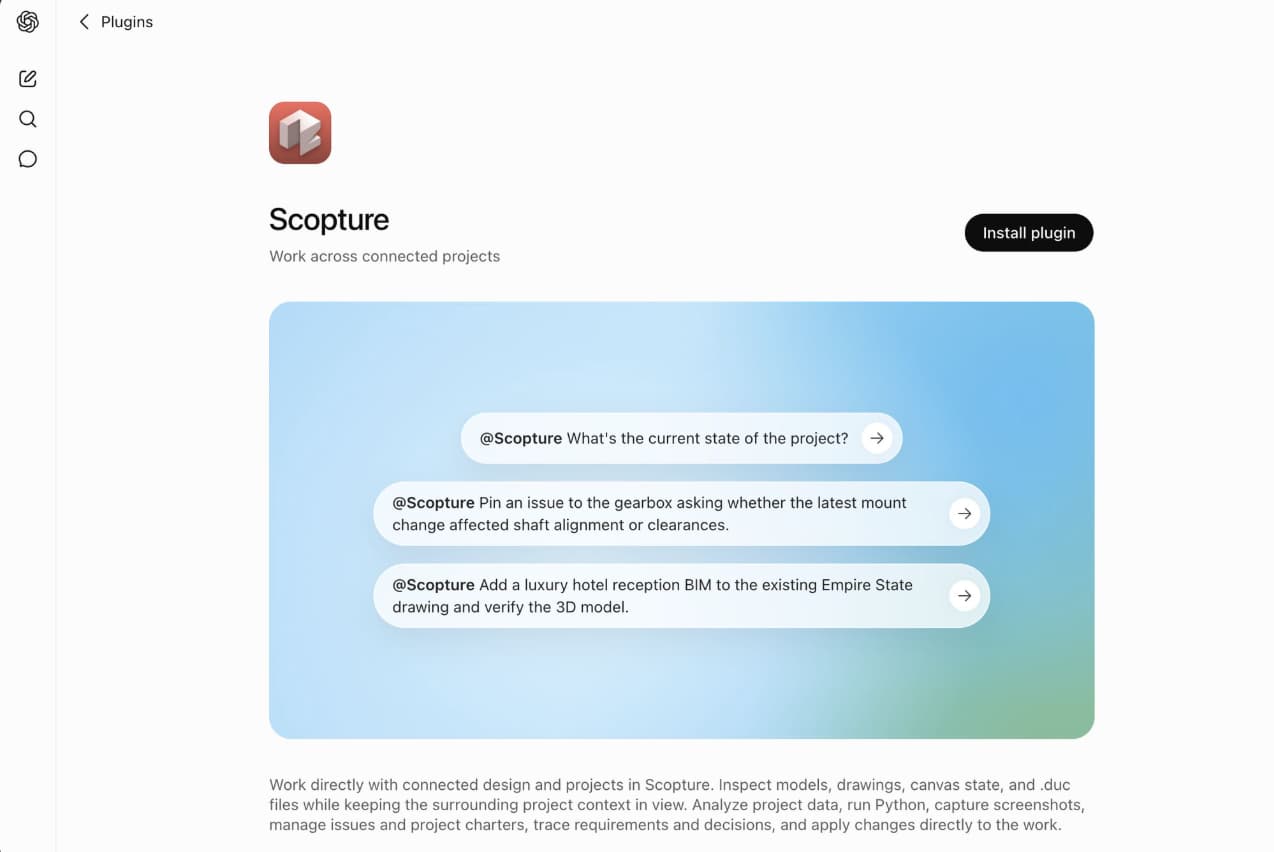
Figure 6 — Scopture plugin available inside ChatGPT, providing a direct starting point for working on connected design and engineering projects from a conversation.
Have an idea you want to turn into something physical? Connect Scopture in ChatGPT, start with the materials and constraints you already have, and see how far you can take the project.